


She was not very interested when the fashion world announced the arrival of quiet luxury. She had been dressing quietly for years already.
The abayas in her wardrobe come in a small, careful range of colors. Sand and slate. A warm ivory that looks different in lamplight. One in dark navy that she keeps for evenings, when she wants to blend into a room and still be the most deliberate person there. She does not have to think about which one she reaches for when she needs to feel ready. Not just dressed, but ready. And it is not the newest one. The clothes she trusts most earned that trust slowly. That is how all good things are earned.
When the magazine articles arrived, they called neutral colors, quality, and understatement the new goal of dressing well. She read them and felt a little amused, though she often did not bother to say so. She had reached a similar place by a different road. She got there years earlier, and without any trend article to guide her.
The Grammar of Understatement
Quiet luxury, as the internet slowly agreed to define it, means taking away distraction. Neutral colors. Good fabrics, like silk, fine wool, and a crepe that hangs well without clinging. No visible logo. No loud accessories that pull attention away from the clothing itself. The idea is simple. The garment speaks for itself, or nothing speaks at all.
What almost nobody pointed out was this. That description fits, almost exactly, the way many women have dressed modestly by belief for decades. This does not mean modest fashion and quiet luxury are the same thing. They are not, and treating them as one misses the point of both. But a wardrobe built around coverage, consistency, and long life, rather than around trends, tends to reach the same result. Fewer things. Better things. Worn more often and for longer. It is a closet that never needs a rushed clear-out, because nothing in it was ever a mistake.
Inside-Out vs. Outside-In
The difference between someone who takes up quiet luxury as a trend and a woman who has spent twenty years building a modest wardrobe is about direction. The trend follower works from the outside in. She sees the look get a name, learns its rules, and buys to match. The woman who was always here worked from the inside out. She was guided by her own values. Values about what dressing is for, and about the link between how you present yourself and who you know yourself to be. Those values led to the same look, without ever giving it a name.
This difference matters because it decides what lasts. A wardrobe put together to match a named trend will need upkeep when the trend changes. A wardrobe built from belief does not. It comes from a settled knowledge that you are not dressing for the room but for yourself, and that you already know who you are. It does not need updating when the words change. The woman here is not following the current. She is the current.
The modest fashion market is worth well over $270 billion worldwide, and it grows steadily year on year. This is not a small niche. It is one of the biggest parts of women's clothing. It was built and kept alive almost entirely by women who were not waiting for a trend to tell them how to dress.
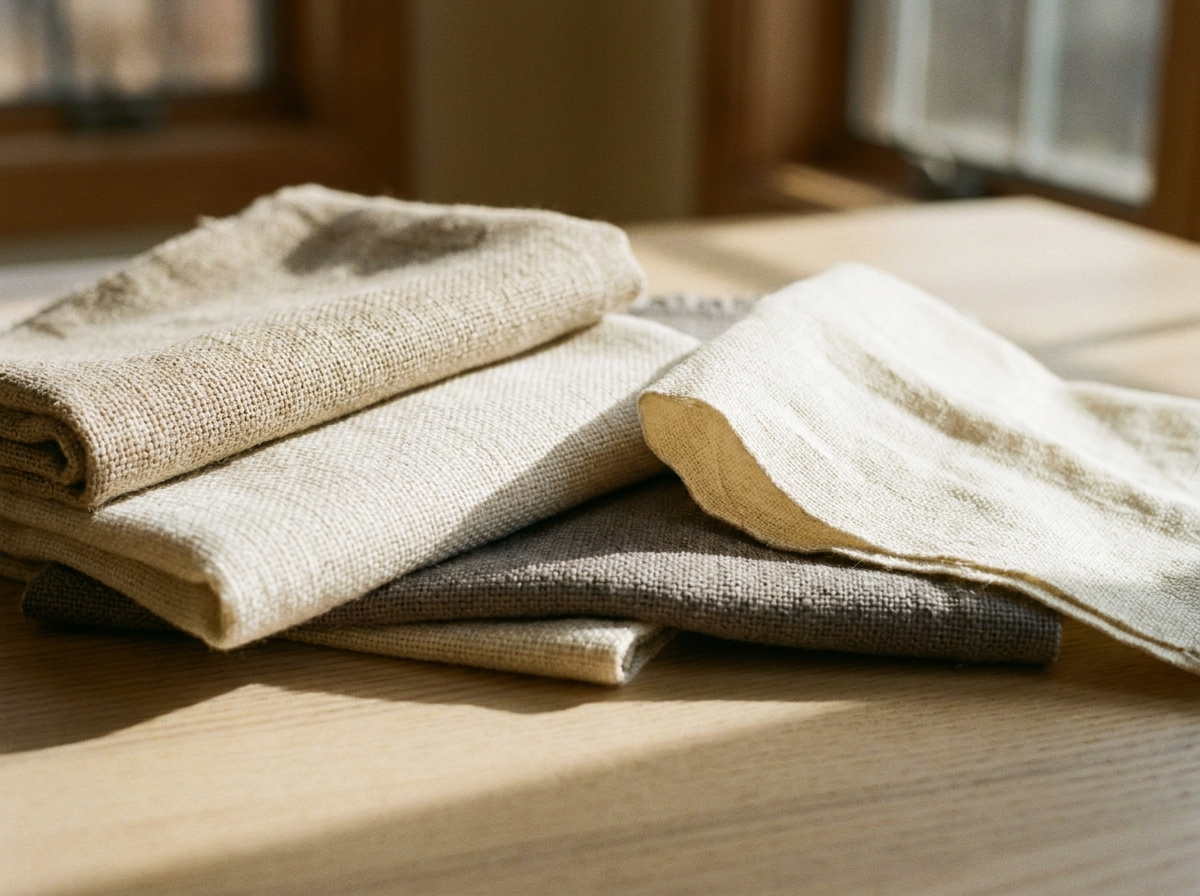
What the Fabric Says
Ask any woman who dresses modestly with care and she will tell you the same thing. The way the garment drapes is not a small detail. It is, in effect, the garment itself.
Coverage needs quality in a way that small, minimal clothing does not. When there is more fabric, there is more surface to look at closely. A sleeve that falls an inch too short changes the whole shape of an outfit. A neckline that sits wrong needs an extra layer that breaks the line. The weight of the fabric decides whether the garment moves well or just moves. These are not small things you settle at the end of the design. They are the design.
This is why the most careful modest wardrobes are rarely built from clothes that were made for very different needs. A piece that is both fully modest and truly elegant asks more of its making. It needs more care in how the volume falls. It needs more thought about what happens at the hem when the wearer sits, or walks, or lifts her arms. The plain look of the final garment does not mean less work went into it. Usually it means the work was done well.
What people call “quiet” in quiet luxury is really just taking away everything that does not need to be there. The fabric speaks. The drape speaks. The proportion speaks. The woman wearing it does not need to say anything at all.
The Wardrobe That Doesn’t Need an Edit
There is a certain kind of confidence that comes from knowing what you own and why you own it. It is not the confidence of having the most things, or the newest things, or the most expensive things. It is the confidence of having made choices from a clear sense of who you are. And then not going back on those choices every season just because something new has a name.
The modest wardrobe, at its best, works this way. It is not built for special occasions. It is built for a life. The pieces in it are chosen because they work. They earn their place on a Tuesday, at a formal dinner, on a trip, and on a day when nothing much is happening. They are not built to follow a trend. They are simply hers.
Every few years, the fashion world will find a new name for the same discovery. That understatement is powerful. That quality outlasts trends. That a woman who dresses with intention is more interesting than a woman who dresses in a hurry. The women who were here first will not need to read the articles. They already know what they are wearing, and they already know why.
Images in this article are AI-generated using Higgsfield nano_banana_pro and do not represent actual Aeshal garments or customers.

