


For many Muslim women, choosing a hijab isn't only about religious practice. It's about finding something that feels right. Something that works with your life, not against it.
Whether you're getting ready for work on a Tuesday morning, going to a wedding, or running errands, the fabric you choose makes a difference. Some fabrics breathe in summer heat. Others hold their shape through a long day. Some need constant adjusting. Others just work.
Here's what you need to know about the most common hijab fabrics, written by someone who actually wears them.
Cotton
What it feels like: Soft, breathable, and easy to work with. Cotton is the fabric you reach for when you don't want to think too hard about what you're wearing.
Types you'll see: Plain cotton (smooth and simple), jersey cotton (stretchy and comfortable), ribbed cotton (has texture, holds pins well).
Best for: Everyday wear. School, work, grocery runs. The reliable option.
The catch: Wrinkles easily, so you'll iron it more than you'd like. It can lose its shape after a few washes. Jersey cotton sometimes clings to your face on humid days.
Real talk: Cotton is where most people start, and many never leave. It's comfortable, cheap, and you can find it anywhere. Just accept that you'll need to iron it, or be okay with the wrinkled look.

Chiffon
What it feels like: This depends on the quality. Good chiffon feels light and airy but still has some weight in your hands. Cheap chiffon feels like tissue paper.
The thickness question: Chiffon comes in different weights, and this makes a big difference.
Lightweight chiffon (what most cheap hijabs use):
- So thin you can see right through it
- You need an underscarf or cap every single time
- Feels flimsy. You can tell it's cheap the moment you touch it
- Usually falls apart after a few washes
Medium-weight chiffon (what a good hijab should be):
- Still light and breathable, but has some body to it
- Opaque enough that you don't need a cap underneath for everyday wear
- Drapes well without clinging
- Lasts through dozens of washes when you care for it properly
- Costs more, but you're not replacing it every few months
How to tell the difference before buying:
- Hold it up to the light. Can you see your hand clearly through it? Then it's too thin.
- Scrunch it in your hand. Does it feel like nothing's there? Then it's too thin.
- Check the weight. Good chiffon has a gentle weight. It isn't weightless.
- Look at the edges. Already fraying in the store? Then it's poor quality.
Plain chiffon. The classic. When it's good quality, this is your everyday choice for a simple, clean look. It should be opaque enough for daily wear without looking heavy.
Printed chiffon. Patterns on medium-weight chiffon look good. The extra ink adds a bit more coverage.
Bubble chiffon. It has a textured, slightly pebbled surface. The texture adds opacity, and the hijab grips better, so it slips less.
Embroidered chiffon. Usually kept for special occasions. Check the quality of the base fabric. Some makers use thin chiffon with heavy embroidery to make up for it, and it doesn't drape well.
Best for: Hot weather (good chiffon breathes well), formal events, and long days when you need something light that still looks neat.
Real talk: We only carry medium-weight chiffon. We've seen too many women frustrated with see-through hijabs that need layers underneath and fall apart quickly. Yes, ours cost more than what you'll find at fast-fashion shops. That's because we choose fabric that is actually opaque, has some weight and structure, and lasts. With medium-weight chiffon, the fabric is thick enough to wear on its own. The colors stay strong after washing. And it lasts through a year of regular wear, not a month.
If you've tried chiffon before and didn't like it, you probably tried cheap chiffon. There's a big difference. Once you feel it, you'll understand why quality matters.
Caring for chiffon:
- Hand wash in cold water with gentle detergent, or use a mesh laundry bag on a delicate cycle
- Never wring it out. Gently squeeze out the extra water and lay it flat to dry
- If it wrinkles, hang it in your bathroom while you shower. The steam usually removes wrinkles without ironing
- If you must iron, use the lowest heat setting with a pressing cloth between the iron and the fabric
Silk

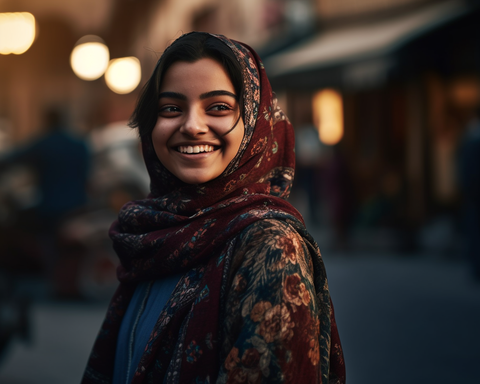
What it feels like: Smooth and soft. It has a light sheen that looks expensive.
Best for: Weddings, Eid, formal dinners. Anywhere you want to feel special.
The catch: Expensive. It needs hand washing or dry cleaning. It stains easily. It slips around if it's too smooth. Pure silk wrinkles very easily.
Real talk: Silk is a special-occasion piece. You probably don't need more than one or two. Save it for times when you want to feel your best. It's not worth the stress for daily wear.
Jersey
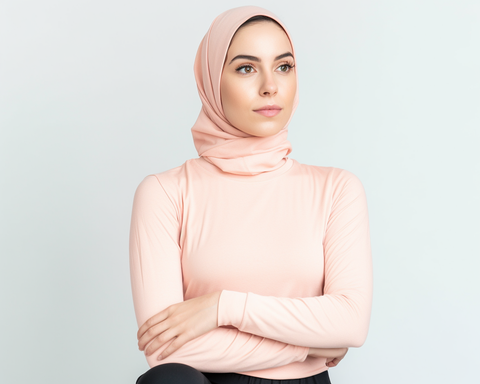
What it feels like: Stretchy, soft, and casual. Like wearing your favorite t-shirt on your head, in a good way.
Best for: Daily life. Especially if you're active or have a long day ahead.
The catch: The stretch that makes it comfortable can also make it cling to your face or lose its shape. It doesn't look as neat as woven fabrics. Fine for casual settings, maybe not for formal events.
Real talk: Jersey doesn't get enough credit. It's comfortable, doesn't need ironing, and stays in place once you've adjusted it. Good for students, moms with young kids, and anyone who needs something that just works. Just know it looks casual.
Viscose

What it feels like: Soft with a light sheen. It drapes well and falls in nice folds without much effort.
Types you'll see: Plain viscose (smooth), crushed viscose (textured, very popular), viscose blends (usually mixed with polyester for durability).
Best for: Both casual and formal settings. You can dress it up or down.
The catch: It can shrink if you wash it wrong (use cold water, a gentle cycle, and air dry). Not great in very hot weather. It's less breathable than cotton.
Real talk: Viscose, especially the crushed kind, has become popular for good reason. It looks put together with little effort, doesn't need ironing, and has a nice weight that stays in place. Just follow the care instructions carefully.
Modal
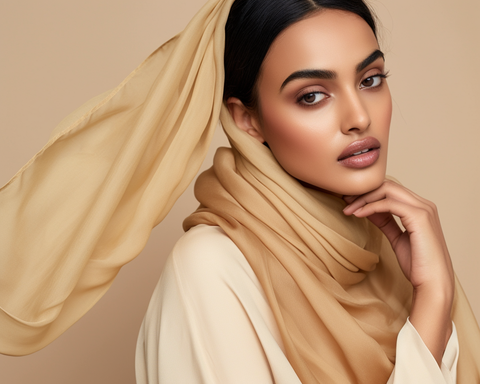
What it feels like: Silky and soft. Smoother than cotton and thicker than chiffon. It drapes really nicely.
Best for: When you want something that feels close to silk but isn't actual silk. Good for both work and nicer occasions.
The catch: It can shrink, so wash it carefully. It might lose its shape after many washes.
Real talk: Modal sits between everyday cotton and fancy silk. It feels nice, looks neat, and is easier to care for than silk. A good choice if you're building a wardrobe that needs to work in several settings.
Rayon

What it feels like: Soft, lightweight, and drapes well. Similar to viscose but with a slightly different texture.
Best for: Everyday wear and special occasions. Fairly versatile.
The catch: Wrinkles easily. Can shrink. Needs gentle handling when washing.
Real talk: Rayon is fine. It's not amazing, but it's fine. A good choice if you want something cheap that looks decent. Just know you'll deal with wrinkles and need to be gentle with it. The embroidered versions work well for dressing up simple outfits.
Medina Silk

What it feels like: Lightweight with a nice sheen. Thicker than chiffon but lighter than regular silk.
Best for: Formal events, weddings, special occasions. When you want that silk look without quite as much fuss.
The catch: It still needs careful washing. It can be pricey. It may slip around depending on the texture.
Real talk: Medina silk has that special-occasion look without being as delicate as pure silk. It's popular for weddings and Eid for good reason. It photographs well, feels nice, and comes in lovely colors.
Georgette Crepe
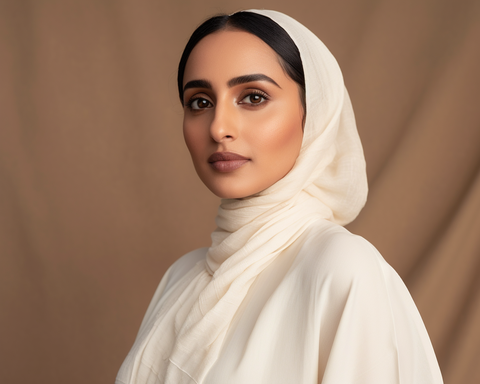
What it feels like: Lightweight and airy with a slightly crinkled, textured surface. It doesn't cling to your face the way smooth chiffon can.
Best for: Hot weather. Summer weddings. Anywhere you need something a bit formal but still breathable.
The catch: It snags easily on rough surfaces. It needs delicate washing. It can be slippery and need frequent adjusting.
Real talk: Georgette crepe is what you wear when chiffon is too plain but you still need something lightweight. The texture adds interest without adding weight. Great for summer events, but you'll spend the day adjusting it. Bring extra pins or a good underscarf.
What Should You Actually Buy?
If you need something versatile: Good chiffon. It works for both casual and formal, stays cool in heat, and looks neat with little effort.
If you're just starting out: One or two good chiffon hijabs in neutral colors (black, navy, cream, or taupe), plus a couple of cotton hijabs for very casual days.
If you live somewhere hot: Chiffon, without a doubt. Nothing else gives you that mix of breathability and a nice look.
For work or professional settings: Medium-weight chiffon or viscose. Both look neat, but chiffon is more breathable.
For special events: Silk, Medina silk, or embroidered chiffon.
For low-maintenance casual wear: Jersey or cotton. Just know these won't work for professional or formal settings.
If you're building a capsule wardrobe: Start with 3 to 4 good chiffon hijabs in colors that work with most of your clothes. Add one or two cotton ones for very casual days. Add one silk for very special occasions. That's all most people need.
Why Quality Matters More Than Type
You can have a bad chiffon hijab and a great cotton one, or the other way around. The type of fabric matters less than the quality of that fabric.
Signs of quality, no matter the fabric:
- Some weight when you hold it (not heavy, but not weightless)
- Edges that are cleanly finished, not fraying
- An even weave with no thin spots
- Colors that look rich, not washed out
Signs of poor quality:
- So thin you can see right through it
- Feels like paper or plastic in your hands
- Frays right away
- A price that's suspiciously cheap
- Colors that look dull or patchy

